

Articles
What Happens to Blood Pressure When You Cut Carbs?
When you cut carbs, blood pressure often drops a little, but not for everyone. In the first few days your body lets go of extra sodium and water, which can lower readings quickly. Over the longer run, the change is usually small and differs a lot from person to person.
If you take blood pressure medication, that early drop matters. Tell your doctor you are changing how you eat, so they can keep an eye on your readings.
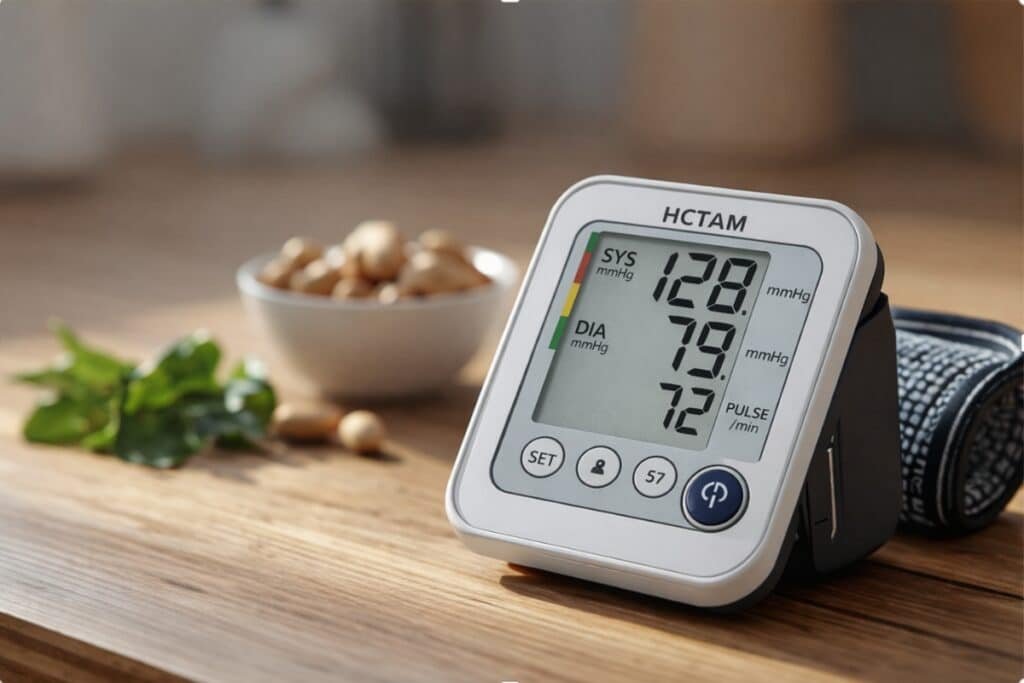
How Big Is the Change?
Usually small. A 2025 review of 174 randomised trials found carb-restricted diets lowered blood pressure by about 2 points systolic and 1 point diastolic on average. The results varied widely between studies.
That average is not a promise. Some people notice steadier readings. Some notice very little. And not every review agrees: one review of ketogenic diets in type 2 diabetes found no real difference in blood pressure after a year.
What Happens in the First Few Days
Most of the early change comes from water, not fat.
- Fewer carbs means lower insulin.
- Lower insulin tells your kidneys to let go of more sodium.
- Water follows the sodium out.
- Less fluid in your blood vessels can mean a lower reading.
A 2025 review of keto start-up symptoms describes these sodium and potassium losses as strongest in the first few days, easing within about two weeks.
This is also why some people feel tired, headachy or lightheaded early on. Sodium, potassium and magnesium help steady your fluid, nerves and muscles, so a shift in them can be felt, not just measured. There is more in electrolytes on low-carb.
Dizziness is worth mentioning to your doctor. It is not a sign the diet is "working". There is more in why you feel dizzy on low-carb, and in feeling dizzy when you stand up.
What Happens Over the Longer Term
After the first weeks, the water shift settles. What matters more then is what you actually eat.
Swapping sweets, white bread and sugary drinks for fish, eggs, vegetables and olive oil is a very different change from swapping them for salami, cheese and packaged keto snacks. Both are low-carb. They are not the same for your blood pressure.
Readings can even go up if a low-carb diet leans on salty, processed foods. One high reading proves little, though. Look for the pattern.
If You Take Blood Pressure Medication
Some blood pressure medicines already affect fluid and sodium. The American Heart Association lists dizziness, dehydration and low sodium or potassium among possible side effects of some diuretics. Cutting carbs on top of that is worth watching.
If your readings improve, talk to your doctor before any change to your medication. That is their decision to make with you.
Contact them if you notice readings that keep falling, new dizziness, weakness, or feeling faint when you stand. Bring your written readings with you.
A low reading on its own, with no symptoms, is usually not cause for alarm. The American Heart Association lists the signs that low blood pressure needs attention: dizziness, fainting, confusion, nausea, blurred vision and unusual tiredness. If you faint, or have chest pain or trouble breathing, get medical help straight away.
What Helps Keep Things Steady

Salt: two sides, both true
Blood pressure advice says limit sodium. The American Heart Association recommends no more than 2,300 mg a day, with 1,500 mg as an ideal goal for most adults. Low-carb advice often says replace the sodium you lose early on.
Both can be true, for different people. What is right for you depends on your readings, your medication and your kidneys. That makes salt a question for your doctor.
Potassium and magnesium from food
Avocado, spinach, mushrooms, salmon and broccoli bring potassium. Nuts, seeds and leafy greens bring magnesium. If you have kidney disease, or take an ACE inhibitor, an ARB or a potassium-sparing diuretic, talk to your doctor about potassium first, because these can push potassium higher than is safe.
Drink enough, without forcing it
Fluid and electrolytes work together. Drink enough to feel comfortable, with no need to force extra water. If your doctor has given you a fluid limit, follow that.
Go gently
You do not need to drop straight to strict keto. Cutting the most refined carbs first is already a real change, and a slower start makes it easier to see how your body responds. The simple low-carb meal plan for high blood pressure shows what that looks like day to day.
How to See What Is Happening for You
Your own readings tell you more than any average. Check the same way each time, following American Heart Association guidance:
- rest quietly for five minutes first
- sit with your back supported, feet flat, legs uncrossed
- rest your bare arm at heart level
- take two readings a minute apart, and write them down
There is a fuller guide in how to monitor blood pressure at home.
Common Questions About Cutting Carbs and Blood Pressure
How quickly can blood pressure change after cutting carbs?
Sometimes within days. Early on, your body lets go of sodium and water, and that can lower readings quickly. These losses are strongest in the first few days and usually ease within about two weeks. If you take blood pressure medication, tell your doctor before you start.
Should I eat more salt on low-carb?
There is no single answer. Blood pressure guidance says limit sodium, while low-carb advice often says replace what you lose early on. Which applies to you depends on your readings, your medication and your kidneys. That makes it a question to ask your doctor before you add salt, rather than a rule to follow.
Can I lower my medication if my readings drop?
Not on your own. If your readings improve after changing how you eat, write them down and talk to your doctor before any change to your medication. They may want to watch your readings more closely for a while, and any change to your dose is a decision for them to make with you.
A Simple Next Step
If you want something simple to follow day to day, the free 60-second blood pressure check brings together foods, electrolytes and daily habits. You finish with a short plan of your own, and the Blood Pressure Support Cheat Sheet comes with it.
Start with one or two small changes, keep things steady, and build from there. For the bigger picture, see supporting healthy blood pressure.
This article is general information, not medical advice. Low-carb eating can affect blood pressure and fluid balance, and it can interact with blood pressure medication. Talk to your doctor or pharmacist before making a significant change to how you eat, especially if you take prescribed medication or manage another health condition.